





Common Causes of Cataracts and Who’s at Risk
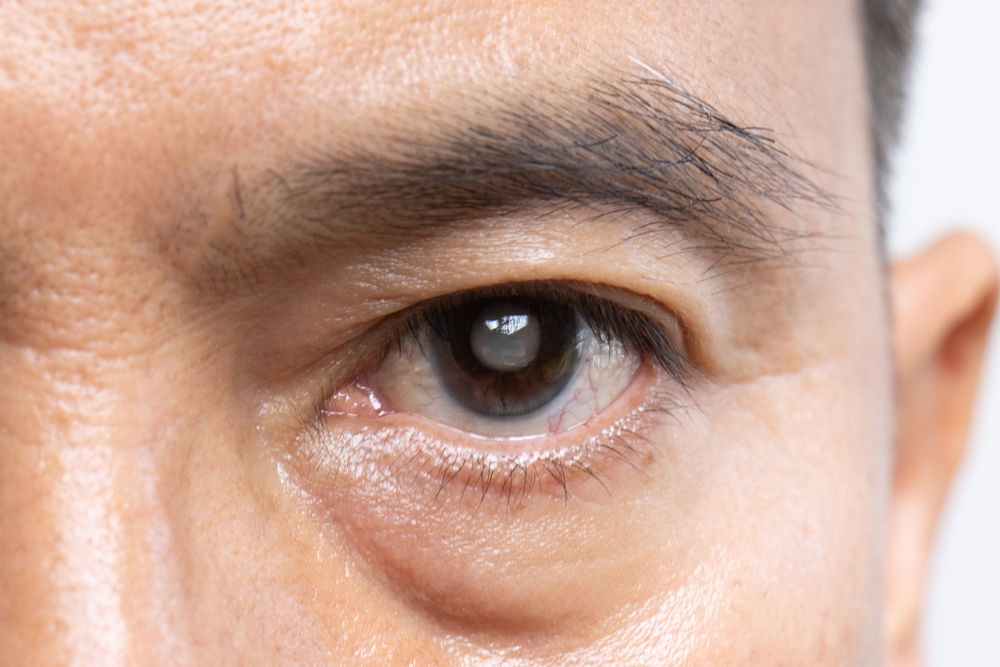
Cataracts happen when the natural lens inside the eye becomes cloudy. In many cases, this develops gradually over time as the proteins in the lens begin to break down with age. Age-related change is the most common cause, which is why cataracts become more common as we get older. The biggest cataract risk factor is simply getting older. That does not mean cataracts only affect seniors, but age increases the likelihood that the lens will lose clarity over time. Many people begin developing early lens changes long before vision symptoms become obvious, which is why routine eye exams matter. Certain medical and lifestyle factors can raise your risk even more. Diabetes is one of the most common health-related risk factors. Smoking, heavy alcohol use, long-term sun exposure, and steroid use have also been linked to cataract development or faster progression. A family history of cataracts may increase your risk as well. Not every cataract is caused by normal aging alone. A serious eye injury, previous eye surgery, or radiation treatment can also contribute to cataract formation. In some cases, these factors cause the lens to change earlier than expected, which is why we pay close attention to your personal and medical history during an exam. Cataracts often develop slowly, so the symptoms can be easy to dismiss at first. You may notice blurry vision, more glare from lights, trouble driving at night, faded colors, or more frequent prescription changes. These symptoms can affect daily comfort and safety, especially when reading or driving. You may want to stay especially proactive with eye exams if you: Knowing your risk helps us monitor changes early and recommend the right next steps before vision problems become more disruptive. Cataracts are common, but that does not mean you should ignore early symptoms. Regular eye exams help us track lens changes, rule out other eye conditions, and determine when treatment may help you see more clearly and comfortably. At Eyecare Center of Wethersfield, we provide comprehensive eye care in Wethersfield and monitor cataracts as part of your long-term eye health. Contact Eyecare Center of Wethersfield in Wethersfield, CT by calling (860) 905-0086 to schedule an eye exam and talk with our team about cataract concerns or changes in your vision.
Aging Is The Leading Risk Factor
Health And Lifestyle Can Play A Role
Other Causes We Watch For
Signs You May Be Developing A Cataract
Who Should Be Especially Proactive
Why Early Detection Matters

MAP
© 2025 Eyecare Center of Wethersfield. All Rights Reserved. Accessibility Statement - Privacy Policy - Sitemap
Powered by: 